Energy Balance Fundamentals
Understanding physiological energy processes
What is Energy Balance?
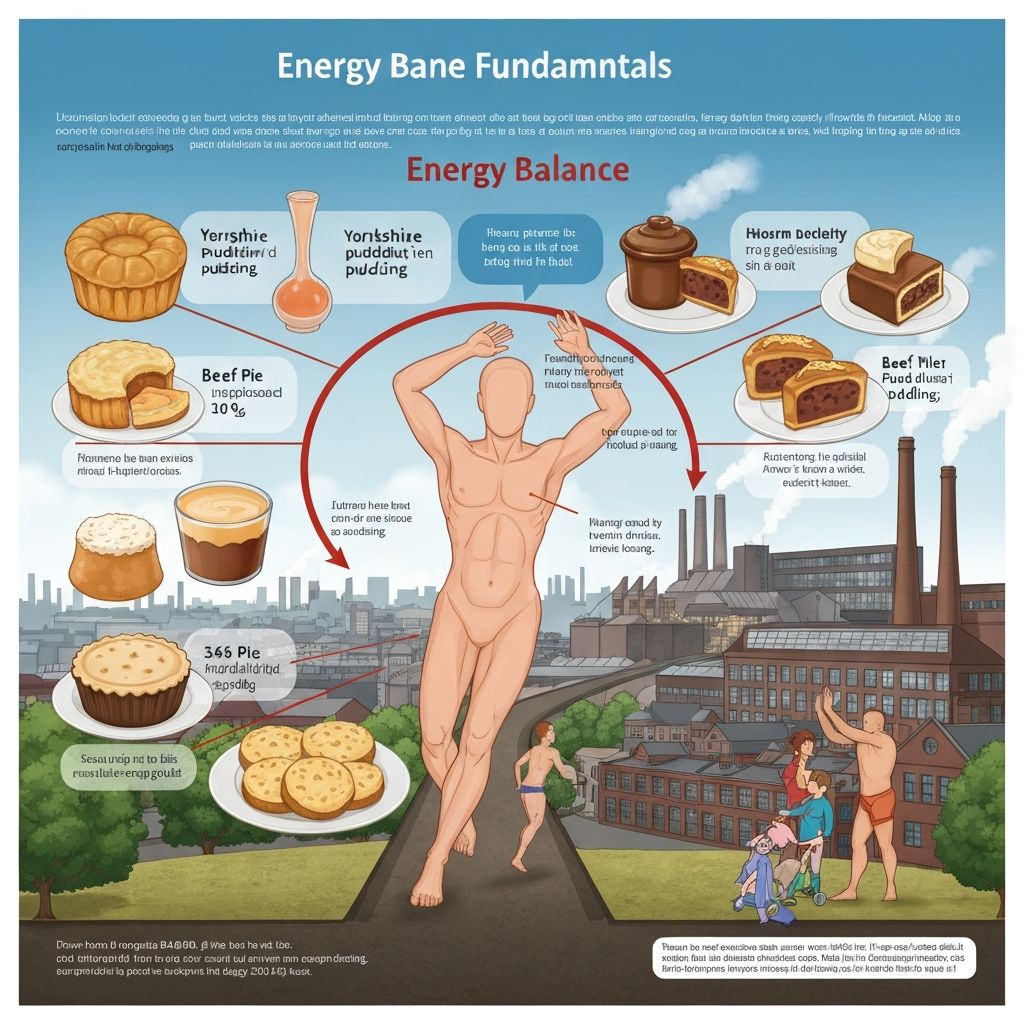
Energy balance is a fundamental concept in nutrition science that describes the relationship between energy intake (calories consumed through food) and energy expenditure (calories used by the body). Understanding this concept provides essential context for discussing nutrition and physiological function.
How Energy Systems Work
Your body requires continuous energy for all physiological processes:
- Basal Metabolic Rate (BMR): Energy required to maintain basic functions at rest—breathing, circulation, cell function, maintaining body temperature
- Thermic Effect of Food: Energy used to digest, absorb, and process nutrients from food
- Activity Energy Expenditure: Energy used during exercise and physical activity
- Non-Exercise Activity Thermogenesis: Energy used in daily movement, fidgeting, occupational activity
Total Energy Expenditure
Total daily energy expenditure (TDEE) combines all these components. However, TDEE varies significantly between individuals based on:
- Age and sex
- Body composition and size
- Genetics and metabolism
- Physical activity level
- Hormonal factors
- Environmental temperature
- Health status and medications
Energy Intake Sources
Food provides energy through three macronutrients:
- Carbohydrates: 4 calories per gram. Primary energy source for many tissues, particularly the brain and muscles during activity.
- Protein: 4 calories per gram. Essential for building and maintaining tissues, enzymes, and numerous body functions.
- Fats: 9 calories per gram. Important for hormone production, nutrient absorption, cellular function, and energy storage.
- Alcohol: 7 calories per gram. Provides energy but not essential nutrients.
Energy Balance States
When energy intake equals energy expenditure, a person is in "energy balance" or equilibrium. However, the body doesn't work in simple daily equations:
- Energy Deficit: Intake less than expenditure. What happens depends on multiple factors—not all deficits produce the same result.
- Energy Surplus: Intake greater than expenditure. Again, individual responses vary significantly.
- Equilibrium: Intake equals expenditure over time. Individual set-point theory and other factors influence stability.
Individual Variation
This is crucial: people respond very differently to the same energy intake and expenditure circumstances. Variables affecting response include:
- Genetic factors influencing metabolism
- Adipose tissue distribution and function
- Gut microbiome composition
- Hormonal profiles and regulation
- Individual nutrient absorption capacity
- Sleep quality and stress levels
- Previous dietary history and weight cycling
Measuring Energy
Calories are measured in kilocalories (kcal), though often informally called "calories" on food labels. Energy content of foods is measured through calorimetry (burning food in a laboratory) and calculated from macronutrient content. However:
- Food labels have margin of error (typically ±20%)
- Processing methods affect calorie content
- Individual digestive efficiency varies
- Cooking methods can change nutrient availability
Metabolic Adaptation
The body doesn't maintain constant energy expenditure. In response to sustained energy deficit or surplus, metabolic adaptation occurs:
- Metabolism may decrease with prolonged restriction
- Hunger and satiety hormones adjust
- Activity levels may change
- These changes occur at different rates in different people
Other Factors Beyond Energy Balance
While energy balance is important, it's not the only factor influencing health, body composition, or well-being:
- Food quality and nutrient density
- Micronutrient intake (vitamins, minerals)
- Physical activity patterns and strength
- Sleep quality and quantity
- Stress management
- Social and psychological factors related to eating
- Individual health status and medical history
Further Exploration
Understanding energy balance provides foundation for thinking clearly about nutrition. Explore other articles on this site to learn about specific nutrients, regional food traditions, and how nutrition science applies to everyday decisions.